

The world of mobile applications is changing faster than ever. Businesses, startups, and developers are constantly looking for new ways to improve user experience, increase engagement, and stay ahead of the competition. (Top cloud computing platforms in 2026) Understanding the most important technology trends in mobile app development is essential for anyone who wants to succeed in today’s digital market.
From artificial intelligence to cloud integration, modern mobile apps are becoming smarter, faster, and more user-friendly. In this article, we will explore the top technology trends in mobile app development that are shaping the future of the industry.
1. Artificial Intelligence (AI) and Machine Learning
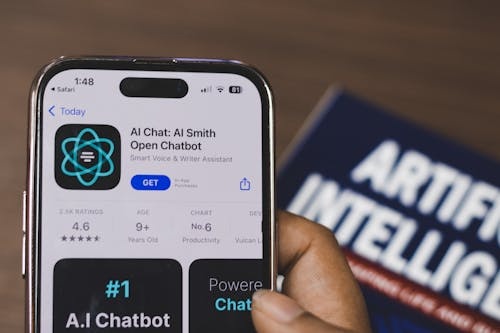
Artificial Intelligence is one of the biggest technology trends in mobile app development today. AI helps apps understand user behavior, automate tasks, and provide personalized experiences.
Examples include:
- Chatbots for customer support
- Voice assistants like Siri and Google Assistant
- Personalized content recommendations
- Smart search features
Machine learning improves app performance by analyzing user data and predicting user needs. This makes mobile apps more efficient and engaging.
2. 5G Technology Integration

The rise of 5G is changing how mobile apps work. With faster internet speeds, lower latency, and better connectivity, developers can build more powerful applications.
Benefits of 5G in mobile app development include:
- Faster loading times
- Better video streaming quality
- Improved AR and VR experiences
- Real-time gaming performance
- Enhanced IoT app functionality
5G allows businesses to create advanced mobile solutions that were difficult to achieve before.
3. Internet of Things (IoT) Apps
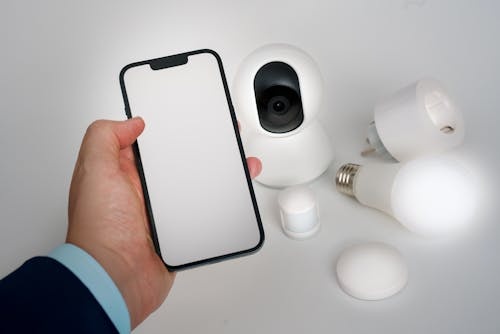
IoT is another major technology trend in mobile app development. Smart devices like watches, home security systems, refrigerators, and fitness trackers all rely on mobile applications.
Users can control connected devices directly from their smartphones. This increases convenience and creates new business opportunities in industries like healthcare, home automation, and transportation.
4. Augmented Reality (AR) and Virtual Reality (VR)

AR and VR are becoming increasingly popular in mobile apps, especially in gaming, education, real estate, and eCommerce.
For example:
- Furniture apps let users preview products in their homes
- Educational apps create interactive learning experiences
- Gaming apps offer immersive virtual environments
These technologies improve user engagement and make mobile apps more interactive.
5. Cloud-Based Mobile Applications

Cloud technology allows mobile apps to store and process data without using too much device memory. This improves speed, security, and performance.
Advantages of cloud-based mobile apps include:
- Reduced storage requirements
- Faster app performance
- Better data security
- Easy backup and recovery
- Smooth cross-device synchronization
Cloud integration is now a standard part of modern mobile app development.
6. Mobile App Security
As cyber threats continue to grow, security has become one of the most important technology trends in mobile app development.
Developers now focus heavily on:
- Secure authentication
- Data encryption
- Biometric login systems
- Fraud detection
- Privacy protection
Users trust apps that protect their personal information, making security a top priority for businesses.
7. Cross-Platform App Development

Businesses want apps that work on both Android and iOS without spending too much money. This is why cross-platform development is growing rapidly.
Frameworks like Flutter and React Native help developers create apps for multiple platforms using a single codebase.
Benefits include:
- Lower development costs
- Faster project completion
- Easier maintenance
- Wider audience reach
This approach saves time while maintaining quality.
8. Wearable App Development
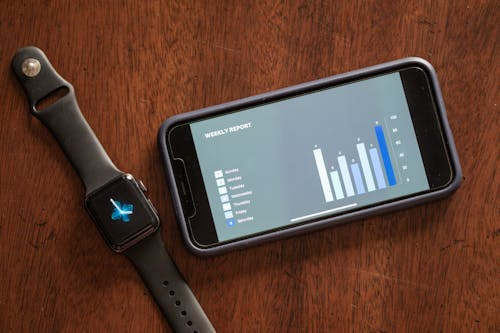
Smartwatches and wearable devices are becoming more common. Developers are now creating apps specifically designed for wearables.
Popular wearable app categories include:
- Health monitoring
- Fitness tracking
- Payment systems
- GPS navigation
- Smart notifications
This trend continues to grow as wearable technology becomes more advanced.
Final Thoughts
The most important technology trends in mobile app development are transforming how businesses connect with users.(Best mobile marketing tools for small businesses 2026) AI, 5G, IoT, AR/VR, cloud computing, security, cross-platform development, and wearable apps are leading the future of mobile innovation.
Businesses that follow these technology trends in mobile app development can improve customer experience, increase efficiency, and stay competitive in a fast-changing market.
As technology continues to evolve, staying updated with these trends will be the key to long-term success in mobile app development.
Frequently Asked Questions (FAQ)
1. What are the most important technology trends in mobile app development?
The most important technology trends in mobile app development include Artificial Intelligence (AI), 5G technology, Internet of Things (IoT), Augmented Reality (AR), Virtual Reality (VR), cloud-based apps, mobile app security, cross-platform development, and wearable app development.
2. Why is AI important in mobile app development?
AI helps mobile apps provide personalized user experiences, automate customer support through chatbots, improve search functions, and analyze user behavior for better performance.
3. How does 5G improve mobile app development?
5G improves mobile app development by offering faster internet speed, lower latency, better streaming quality, smoother gaming, and stronger support for AR, VR, and IoT applications.
4. What is cross-platform mobile app development?
Cross-platform development allows developers to build one app that works on both Android and iOS using a single codebase, saving time and reducing development costs.
5. Why is mobile app security important?
Mobile app security protects user data, prevents cyber threats, secures payment systems, and builds user trust, making it a critical part of modern app development.