

Table of Contents
In 2026, businesses of every size depend on cloud technology to grow faster, reduce costs, and stay competitive. From startups building SaaS products to global enterprises managing large-scale infrastructure, choosing the right cloud provider has become a critical business decision.Many startups using cloud platforms also rely on strong SaaS strategies. You can also read our guide on Best SaaS Business Models in 2026.
The Top Cloud Computing Platforms in 2026 offer powerful solutions for scalability, security, performance, artificial intelligence, and cost optimization. However, not every platform is built for the same purpose.
Some are better for startups, others for enterprise operations, and some lead in AI and machine learning.
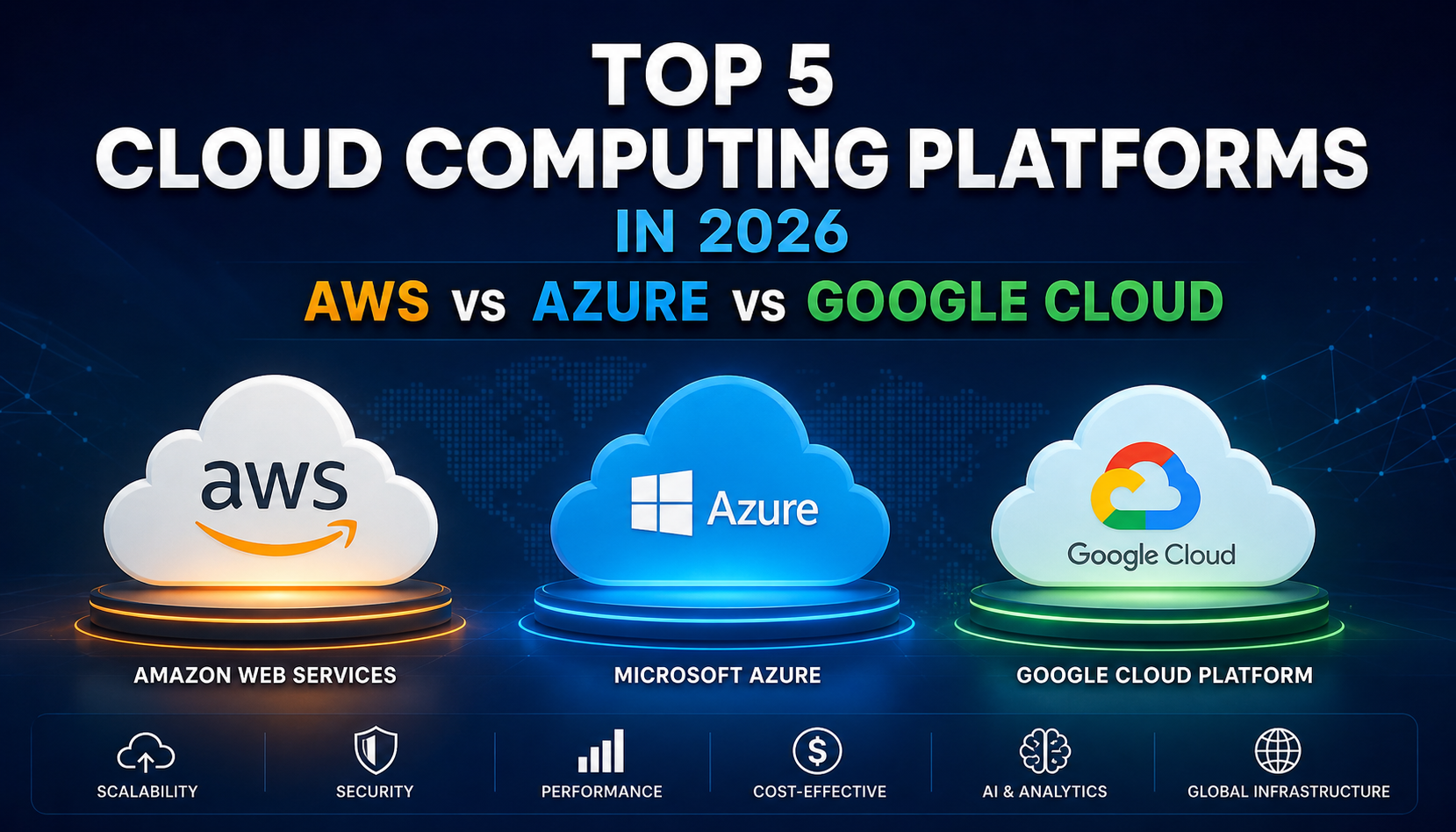
In this guide, we compare the top cloud providers in 2026—including AWS, Microsoft Azure, Google Cloud, Oracle Cloud, and IBM Cloud—to help you choose the best solution for your business needs.
What Is Cloud Computing?
Cloud computing is the delivery of IT services such as servers, databases, networking, storage, analytics, and software over the internet.
Instead of buying expensive physical hardware, businesses can access these services on demand and pay only for what they use.
This makes cloud platforms more flexible, scalable, and cost-effective than traditional infrastructure.
Key Benefits of Cloud Computing
- Lower operational costs
- Faster deployment
- Better scalability
- Stronger security
- Remote access from anywhere
- Reliable backup and disaster recovery
- AI and machine learning integration
This is why cloud adoption continues to grow rapidly across industries in 2026.
Top Cloud Computing Platforms in 2026
Here are the leading cloud platforms businesses trust most in 2026:
- Amazon Web Services (AWS)
- Microsoft Azure
- Google Cloud Platform (GCP)
- Oracle Cloud Infrastructure (OCI)
- IBM Cloud
Let’s compare them in detail.
1. Amazon Web Services (AWS)
Best for: Scalability, startups, and enterprise infrastructure
Amazon Web Services remains the global leader among the top cloud computing platforms in 2026. It offers the largest range of services and supports businesses of all sizes.
From hosting websites to running advanced AI workloads, AWS provides nearly every cloud solution needed for modern business operations.
Key Features of AWS
- EC2 virtual servers
- S3 cloud storage
- RDS managed databases
- Lambda serverless computing
- AI and machine learning tools
- CloudFront content delivery
- DevOps and automation integrations
Pros
- Largest global infrastructure
- Highly scalable
- Massive service ecosystem
- Excellent reliability
- Strong security framework
Cons
- Complex pricing structure
- Learning curve for beginners
- Costs can rise without optimization
Ideal For
Businesses planning long-term growth and needing maximum flexibility.
2. Microsoft Azure
Best for: Enterprises using Microsoft products
Microsoft Azure is one of the strongest competitors to AWS and is especially useful for companies already using Microsoft tools like Windows Server, Microsoft 365, and enterprise software.
Its hybrid cloud solutions make it ideal for businesses moving from traditional IT systems to cloud infrastructure.
Key Features of Azure
- Virtual Machines
- Azure SQL Database
- Active Directory integration
- Hybrid cloud deployment
- AI and analytics services
- Kubernetes support
- Enterprise compliance tools
Pros
- Excellent Microsoft integration
- Strong hybrid cloud support
- Enterprise-grade compliance
- Trusted by large organizations
Cons
- Interface can be complex
- Some services are expensive
- Documentation can be inconsistent
Ideal For
Large businesses and organizations heavily invested in Microsoft systems.
3. Google Cloud Platform (GCP)
Best for: AI, machine learning, and data analytics
Google Cloud Platform is one of the fastest-growing cloud providers in 2026 and is highly popular among data-driven businesses.
Google Cloud is especially powerful for businesses focused on artificial intelligence. Learn more in our article on AI Trends Dominating the Mobile Industry.
Its strength lies in artificial intelligence, machine learning, and large-scale analytics.
Key Features of Google Cloud
- Compute Engine
- BigQuery analytics
- Kubernetes Engine
- Vertex AI
- Cloud Storage
- TensorFlow integration
- High-speed global network
Pros
- Excellent AI and ML capabilities
- Powerful analytics platform
- Competitive pricing
- Fast infrastructure performance
Cons
- Smaller enterprise market share
- Fewer services than AWS
- Less familiar for traditional businesses
Ideal For
Tech startups, SaaS companies, and data-heavy businesses.
4. Oracle Cloud Infrastructure (OCI)
Best for: Databases and enterprise workloads
Oracle Cloud continues to grow in 2026, especially among businesses managing mission-critical databases and enterprise applications.
It performs exceptionally well for high-demand business operations.
Key Features of OCI
- Autonomous Database
- High-performance computing
- Oracle app integrations
- Enterprise workload optimization
- Security-first architecture
- Cost-effective compute services
Pros
- Excellent database performance
- Strong enterprise reliability
- Competitive enterprise pricing
- High-level security
Cons
- Smaller ecosystem
- Less popular for startups
- Limited third-party integrations
Ideal For
Businesses heavily dependent on Oracle databases and ERP systems.
5. IBM Cloud
Best for: Security, compliance, and hybrid cloud
IBM Cloud is a strong choice for industries where compliance and trust are essential, such as banking, healthcare, and government sectors.
Its hybrid cloud strategy and security-first approach make it highly valuable for regulated industries.
Key Features of IBM Cloud
- Red Hat OpenShift integration
- Hybrid cloud management
- Advanced cybersecurity tools
- Watson AI services
- Compliance-focused infrastructure
Pros
- Strong enterprise security
- Excellent hybrid cloud support
- Trusted legacy systems
- Ideal for regulated industries
Cons
- Smaller service catalog
- Less startup-friendly
- Can be costly for small businesses
Ideal For
Organizations that prioritize compliance and high-level security.
AWS vs Azure vs Google Cloud: Quick Comparison
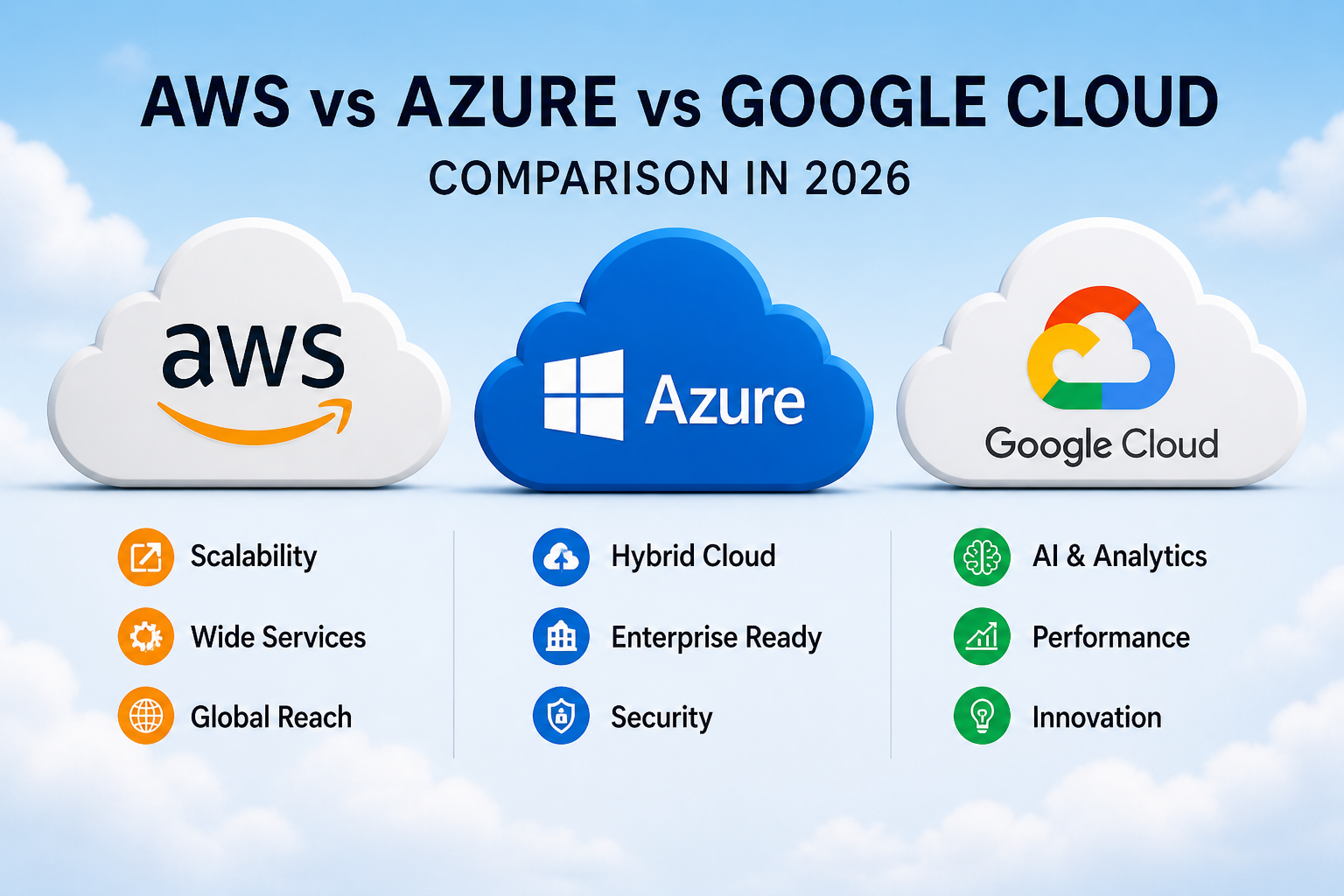
| Feature | AWS | Azure | Google Cloud |
|---|---|---|---|
| Best For | Scalability | Enterprise | AI & Analytics |
| Pricing | Flexible but complex | Enterprise-focused | Competitive |
| Hybrid Cloud | Good | Excellent | Good |
| AI Tools | Strong | Strong | Excellent |
| Learning Curve | Medium–High | Medium–High | Medium |
How to Choose the Right Cloud Platform
Choosing among the Top Cloud Computing Platforms in 2026 depends on your business goals.
Choose AWS if:
You need maximum scalability, flexibility, and global infrastructure.
Choose Azure if:
Your business relies heavily on Microsoft systems and hybrid cloud support.
Choose Google Cloud if:
You prioritize AI, machine learning, and advanced analytics.
Choose Oracle Cloud if:
Your business depends on databases and enterprise applications.
Choose IBM Cloud if:
Security, compliance, and hybrid cloud are your top priorities.
There is no single best platform for everyone—only the best platform for your specific needs.
Final Thoughts
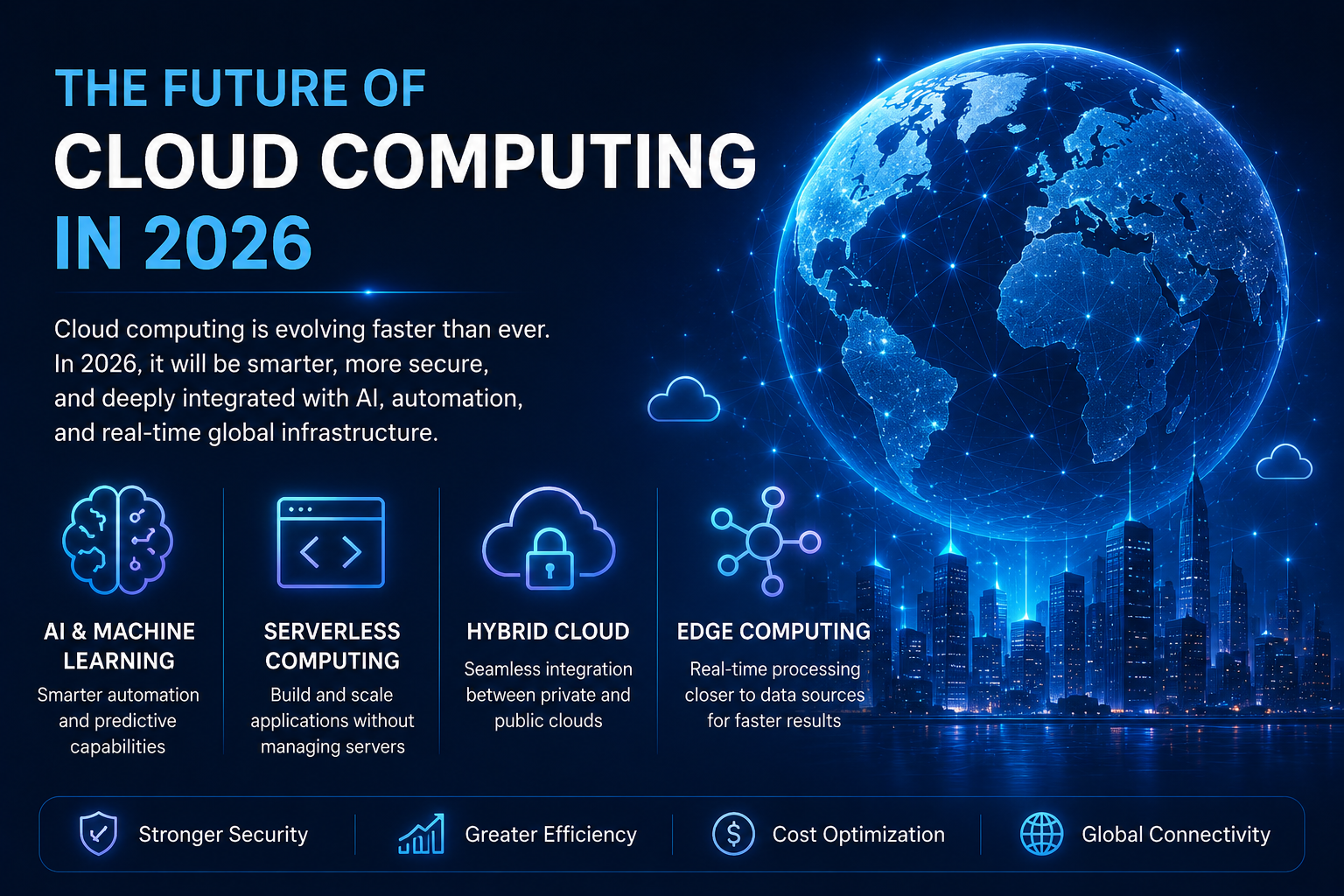
The Top Cloud Computing Platforms in 2026 continue to shape the future of business technology.
AWS, Azure, and Google Cloud remain the dominant players, while Oracle and IBM serve highly specialized enterprise needs.
Choosing the right platform can improve business performance, reduce costs, strengthen security, and support long-term digital growth.
Cloud computing is no longer optional—it is one of the smartest investments a business can make in 2026. As cloud infrastructure grows, it will also support innovations like the Future of 6G Technology across industries.
Frequently Asked Questions (FAQs)
Which cloud platform is best in 2026?
It depends on your business goals. AWS is best for scalability, Azure for enterprise integration, and Google Cloud for AI and analytics.
Is AWS better than Azure?
AWS offers more flexibility and services, while Azure is often better for businesses already using Microsoft tools.
Which cloud platform is cheapest?
Google Cloud and Oracle Cloud often offer competitive pricing, but actual costs depend on your usage and optimization strategy.
Is Google Cloud best for AI?
Yes, Google Cloud is widely recognized for advanced AI, machine learning, and analytics capabilities.
Why is cloud computing important in 2026?
Because it improves scalability, security, cost efficiency, and helps businesses adopt AI, automation, and modern digital infrastructure.