

Table of Contents
Introduction
The technology trends 2026 are reshaping how companies operate, compete, and serve customers. Artificial intelligence, automation, cloud computing, cybersecurity, and sustainable technologies are no longer experimental concepts reserved for large corporations. They are becoming essential tools for businesses of every size.
For entrepreneurs and business owners, the challenge is not simply understanding these changes. The real challenge is deciding which technologies deserve attention now and which can wait. Companies that adapt early often gain advantages in efficiency, customer experience, and innovation, while those that delay risk falling behind competitors that are moving faster. Latest Google Search Updates Every Blogger Must Know
This article explores the most important technology trends influencing business in 2026, explains why they matter, and provides practical examples of how organizations are using them to improve operations and create new opportunities.
Why 2026 Is a Turning Point for Business Technology
Several factors make 2026 different from previous years: (Google AI)
- AI tools have become easier and more affordable to use.
- Cloud infrastructure is widely available across global markets.
- Remote and hybrid work continue to influence technology investments.
- Cyber threats are becoming more sophisticated.
- Customers increasingly expect personalized digital experiences.
- Governments are introducing new regulations around data privacy and AI usage.
Together, these forces are accelerating digital transformation across industries such as retail, healthcare, finance, education, logistics, and manufacturing.
Generative AI Becomes a Core Business Tool
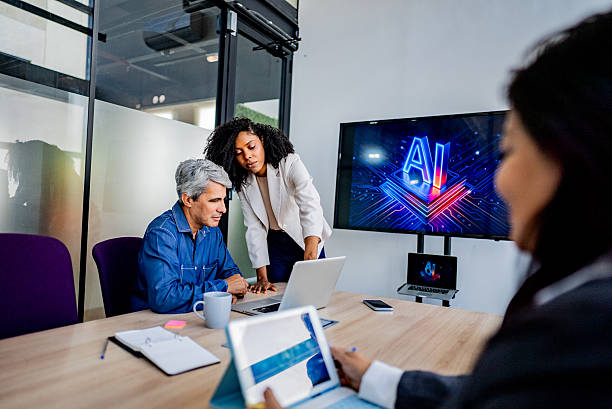
Artificial intelligence is the most discussed future technology trend, but the conversation has shifted from experimentation to implementation.
How Businesses Are Using Generative AI
Companies are using AI to:
- Draft marketing content
- Summarize meetings and documents
- Assist customer support teams
- Generate software code
- Analyze large datasets
- Translate content into multiple languages
Practical example: An online retailer can use AI to create product descriptions, generate email campaigns, and provide automated customer support, reducing the time employees spend on repetitive tasks.
Benefits
- Faster content creation
- Improved productivity
- Better customer response times
- Lower operational costs
- Enhanced data analysis
Risks
- Inaccurate or misleading outputs
- Data privacy concerns
- Overreliance on automation
- Need for human review and governance
Businesses that treat AI as a tool that augments employees rather than replaces them are seeing the best results.
Automation Expands Beyond Manufacturing
Automation has traditionally been associated with factory robots, but in 2026 it is spreading across nearly every business function.
Common Areas of Automation
Finance
- Invoice processing
- Expense approvals
- Fraud detection
- Financial reporting
Human Resources
- Resume screening
- Interview scheduling
- Employee onboarding
- Payroll processing
Customer Service
- Chatbots
- Ticket routing
- Automated follow-ups
- Self-service knowledge bases
Practical example: A small accounting firm can automate invoice reminders and payment tracking, allowing staff to focus on advisory services instead of manual administrative work.
This shift is one of the most significant innovation trends because it allows smaller businesses to operate with capabilities that were previously available only to large enterprises.
Cloud Computing Evolves Into Distributed Cloud
Cloud computing remains a foundational business technology, but the architecture is changing.
Traditional Cloud vs. Distributed Cloud
| Feature | Traditional Cloud | Distributed Cloud |
|---|---|---|
| Data location | Centralized | Multiple regions |
| Latency | Higher | Lower |
| Compliance | Limited regional control | Better local compliance |
| Reliability | Single-provider dependent | More resilient |
Why It Matters
Distributed cloud allows companies to place computing resources closer to customers and operations. This improves application speed and helps organizations meet regional data regulations.
Practical example: A streaming platform serving users in Africa, Europe, and Asia can use distributed cloud infrastructure to reduce buffering and improve user experience in each region.
For many organizations, cloud adoption is now less about “moving to the cloud” and more about optimizing where workloads should run.
Cybersecurity Becomes a Boardroom Priority

As businesses become more digital, cybersecurity is no longer just an IT issue. Executives and boards are increasingly involved in security decisions because cyber incidents can disrupt operations, damage reputation, and create legal liabilities.
Key Security Trends in 2026
Zero Trust Architecture
Every user and device must be verified before accessing company resources.
Multi-Factor Authentication (MFA)
Passwords alone are no longer considered sufficient protection.
AI-Powered Threat Detection
Security systems use machine learning to identify unusual behavior and respond faster to potential attacks.
Employee Security Training
Human error remains one of the most common causes of security incidents, making regular training essential.
Practical example: A company with remote employees can require MFA, use device management software, and monitor login activity to reduce the risk of unauthorized access.
Strong cybersecurity is becoming a competitive advantage, especially for businesses that handle customer data or financial information.
Edge Computing Gains Real Business Value
Edge computing processes data closer to where it is generated instead of sending everything to a centralized cloud server.
Where Edge Computing Is Used
- Smart factories
- Retail stores
- Delivery vehicles
- Healthcare devices
- Agricultural sensors
- Smart city infrastructure
Business Benefits
- Faster decision-making
- Reduced internet bandwidth usage
- Lower latency
- Improved reliability during connectivity issues
Practical example: A logistics company can use edge devices in delivery trucks to analyze route conditions in real time and adjust schedules without waiting for cloud processing.
Edge computing is one of the most promising emerging technologies because it supports real-time applications that cloud-only systems cannot always handle efficiently.
Sustainable Technology Moves Into the Mainstream
Sustainability is increasingly influencing technology purchasing decisions.
Green Technology Priorities
- Energy-efficient data centers
- Renewable energy usage
- Carbon tracking software
- Electronic waste reduction
- Efficient supply chain systems
Many customers, investors, and regulators now expect companies to measure and report environmental impact. Technology is becoming a key enabler of those efforts.
Practical example: A manufacturing company can use IoT sensors to monitor energy consumption and identify equipment that is using excessive power, reducing both costs and emissions.
This trend shows that digital transformation and sustainability are becoming closely connected business strategies rather than separate initiatives.
What These Trends Mean for Small Businesses
Small businesses do not need to adopt every new technology immediately. A practical approach is to focus on tools that solve clear operational problems.
Recommended Starting Points
Low cost: Cloud-based collaboration tools
High impact: AI writing and productivity assistants
Essential: Multi-factor authentication and backups
Quick win: Automated invoicing and payment systems
Growth: Basic customer relationship management (CRM) software
The goal is to start with technologies that deliver measurable value within a few months, then expand adoption as the business grows.
The Rise of Hyper-Personalized Customer Experiences
Modern customers expect businesses to understand their needs and deliver relevant experiences across websites, mobile apps, email, and customer support. In 2026, AI and data analytics make this possible on a much larger scale.
How Businesses Are Personalizing Experiences
AI-Powered Product Recommendations
Online stores analyze browsing history, previous purchases, and customer preferences to recommend products that are more likely to convert into sales.
Personalized Marketing Campaigns
Instead of sending the same email to every subscriber, businesses create targeted campaigns based on customer interests, location, and purchasing behavior.
Smart Customer Support
AI assistants can recognize returning customers, access previous conversations, and provide faster, more relevant solutions before escalating complex issues to human agents.
Dynamic Website Content
Some websites automatically change headlines, offers, or featured products depending on who is visiting.
Practical Example
A small online clothing store can recommend seasonal products based on a customer’s previous purchases, increasing both customer satisfaction and average order value.
Internet of Things (IoT) Continues to Expand
The Internet of Things (IoT) connects physical devices to the internet, allowing them to collect and exchange data in real time.
Business Applications
Manufacturing
Factories monitor equipment performance to predict maintenance before machines fail.
Retail
Smart shelves automatically detect low inventory and notify staff.
Agriculture
Farmers use connected sensors to monitor soil moisture, temperature, and crop health.
Healthcare
Hospitals monitor medical equipment and patient data more efficiently.
Logistics
Companies track vehicles, shipments, and delivery conditions in real time.
Why It Matters
IoT improves operational efficiency while reducing downtime and unnecessary costs.
Digital Transformation Is Becoming Continuous
Many organizations once viewed digital transformation as a one-time project. In 2026, successful businesses understand it is an ongoing process of improving operations through technology.
Characteristics of Successful Digital Transformation
- Clear business objectives
- Leadership support
- Employee training
- Customer-focused innovation
- Strong cybersecurity practices
- Continuous performance measurement
Rather than adopting technology simply because it is popular, leading companies evaluate whether each investment solves a real business challenge.
Low-Code and No-Code Platforms Empower More Teams
Software development no longer belongs exclusively to professional programmers.
Low-code and no-code platforms allow employees with limited technical experience to build internal tools, automate workflows, and create business applications.
Common Uses
- Customer relationship management tools
- Internal approval systems
- Employee onboarding portals
- Inventory management dashboards
- Data collection forms
Benefits
- Faster development
- Lower development costs
- Greater flexibility
- Reduced workload for IT departments
Limitations
- Less customization for complex applications
- Potential security concerns if poorly managed
- May not scale for enterprise-level software
Businesses should establish governance policies to ensure these tools remain secure and well maintained.
Data Analytics Drives Better Business Decisions
Data has become one of the most valuable business assets. However, collecting information alone is no longer enough.
Businesses increasingly rely on advanced analytics to identify trends, forecast demand, and improve decision-making.
Examples
Retail
Predict future inventory needs based on seasonal purchasing patterns.
Finance
Detect unusual transactions that may indicate fraud.
Marketing
Measure campaign performance and customer engagement.
Manufacturing
Identify production bottlenecks before they affect delivery schedules.
Organizations that use data effectively can react more quickly to changing market conditions and customer expectations.
Collaboration Technology Supports Hybrid Work
Hybrid work remains common across many industries in 2026.
Businesses continue investing in collaboration technologies that help distributed teams communicate effectively.
Important Collaboration Tools
- Video conferencing platforms
- Shared document systems
- Cloud file storage
- Project management software
- Team messaging applications
These tools improve communication while allowing employees to work from different locations without sacrificing productivity.
Technology Trends Comparison Table
| Technology Trend | Primary Benefit | Best For | Business Impact |
|---|---|---|---|
| Generative AI | Productivity | All businesses | Very High |
| Automation | Cost reduction | Operations | Very High |
| Distributed Cloud | Performance | Growing companies | High |
| Cybersecurity | Risk reduction | Every organization | Critical |
| Edge Computing | Faster processing | Logistics & Manufacturing | High |
| IoT | Real-time monitoring | Manufacturing, Agriculture | High |
| Data Analytics | Better decisions | All industries | Very High |
| Low-Code Platforms | Faster development | Small & Medium Businesses | Medium to High |
| Collaboration Technology | Remote productivity | Hybrid teams | High |
| Sustainable Technology | Long-term efficiency | Large organizations | Growing |
Advantages and Challenges of Emerging Technologies
| Advantages | Challenges |
|---|---|
| Increased productivity | Initial investment costs |
| Better customer experiences | Employee training requirements |
| Faster business decisions | Cybersecurity risks |
| Improved operational efficiency | Integration with existing systems |
| Competitive advantage | Rapid pace of technological change |
| Greater scalability | Regulatory compliance |
Understanding both the opportunities and challenges helps businesses make informed investment decisions rather than chasing every new technology trend.
How Businesses Can Prepare for Technology Trends 2026
Technology adoption should be strategic rather than reactive.
Consider the following best practices:
1. Assess Current Technology
Identify outdated systems that limit productivity or increase operational risk.
2. Prioritize Business Goals
Choose technologies that directly support revenue growth, customer satisfaction, or operational efficiency.
3. Invest in Employee Training
Technology delivers the greatest value when employees know how to use it effectively.
4. Strengthen Cybersecurity
Every technology investment should include appropriate security measures and regular risk assessments.
5. Measure Results
Track key performance indicators such as productivity, customer satisfaction, response time, and return on investment.
By following these steps, businesses can adopt new technologies with greater confidence while minimizing unnecessary risks.
Frequently Asked Questions (FAQs)
1. What are the biggest technology trends in 2026?
The biggest technology trends 2026 include generative AI, automation, distributed cloud computing, cybersecurity, edge computing, the Internet of Things (IoT), data analytics, sustainable technology, and low-code development platforms. These innovations are helping businesses improve efficiency, reduce costs, and deliver better customer experiences.
2. Why is digital transformation important for businesses?
Digital transformation enables businesses to modernize operations, improve productivity, strengthen customer relationships, and remain competitive in rapidly changing markets. It also helps organizations respond more quickly to new opportunities and challenges.
3. How can small businesses benefit from emerging technologies?
Small businesses can start with affordable solutions such as cloud software, AI productivity tools, customer relationship management (CRM) systems, and workflow automation. These technologies can save time, improve customer service, and support business growth without requiring large upfront investments.
4. Which industries are most affected by technology trends?
Nearly every industry is being transformed by technology, including:
- Healthcare
- Finance
- Retail
- Manufacturing
- Education
- Logistics
- Agriculture
- Professional services
The impact varies by industry, but technology is becoming essential across all sectors.
5. How should businesses prepare for future technology changes?
Businesses should regularly evaluate their technology strategy, invest in employee training, strengthen cybersecurity, monitor industry developments, and adopt new solutions that align with their long-term goals. A thoughtful, phased approach often delivers better results than trying to adopt every new technology at once.
Conclusion
The technology trends 2026 discussed throughout this guide show that innovation is no longer optional for businesses that want to remain competitive. Artificial intelligence, automation, cloud computing, cybersecurity, edge computing, and data-driven decision-making are changing how organizations operate, serve customers, and create value.
However, successful technology adoption is not about chasing every new trend. It is about identifying the tools that solve real business problems, improve efficiency, and support long-term growth. Businesses that combine strategic planning with continuous learning will be better positioned to adapt as technology continues to evolve. How to Build a Successful Content Marketing Strategy
Whether you run a startup, manage an established company, or are preparing for a career in technology, understanding these trends today can help you make smarter decisions tomorrow.
Call to Action
Technology is evolving faster than ever, and staying informed is one of the best investments you can make.
Follow MuhsinGuide for expert technology news, software reviews, digital marketing guides, SEO tips, and practical business insights designed to help you stay ahead in the digital world.
If you found this article helpful, share it with your colleagues, classmates, or fellow entrepreneurs, and explore our latest resources to continue building your technology knowledge.